Key Takeaways
- Start with intention: Define your primary goals before purchasing any devices. Determine if you want comfort, security, or energy efficiency. Do not buy tech just to have it.
- Choose a unified ecosystem: Select a central hub to ensure seamless device compatibility and avoid app fatigue. Options include Matter/Thread, Apple HomeKit, Google Home, or Amazon Alexa.
- Embrace invisible tech: Blend technology naturally into the decor using the 70-20-10 rule. Hide cables, use Frame TVs, and integrate architectural audio.
- Layer the lighting: Smart lighting forms the foundation of decoradtech. Implement circadian lighting designs to support the natural biological clock and enhance the mood of every room.
- Automate the routines: Create scenes and routines that adjust the environment automatically based on the time of day, location, or specific triggers.
- Utilize multi-functional furniture: Incorporate tech-enabled furniture to maximize space and functionality. Wireless charging tables and storage ottomans work well, especially in smaller homes or apartments.
Many people ask how to set up my home decoradtech. You probably want more than just a few random gadgets scattered around the living room. The goal is to elevate the entire living experience. Decoradtech blends high-end interior design with advanced smart home technology. It creates a space where technology actively enhances your lifestyle, without compromising the aesthetic appeal of the home.
A “smart home” used to mean glowing hubs on every table and tangled black power cords along the baseboards. Today, the focus is on a human-first approach. We layer digital textures into the living space. You feel the convenience of the technology, but you rarely see the hardware. This guide covers strategic planning, device selection, and room-by-room implementation to build a decoradtech setup that is intelligent and gorgeous.
Understanding the Decoradtech Concept
Setting up a home that blends style, comfort, and technology has shifted from a luxury to a necessity. The core philosophy of decoradtech involves creating an environment where smart devices integrate with the interior decor rather than overpowering it. These devices include voice-activated assistants, intelligent lighting systems, automated window treatments, and tech-enhanced furniture.
The goal is a home that looks stunning and functions intelligently. Carefully planning the layout and selecting the right devices transforms a space into a modern, comfortable, and efficient sanctuary. This process is not about turning a living room into an electronics showroom. Instead, subtle enhancements reduce daily friction and improve the quality of life.
Phase 1: Strategic Planning and Niche Selection
Jumping straight into buying devices without a cohesive plan is the biggest mistake people make when setting up a smart home. This approach often leads to fragmented systems and app fatigue. You might find yourself needing five different apps just to control basic functions like turning off the lights or locking the door.
Define Your Objectives
Assess your goals before diving in. Decide what matters most: comfort, energy savings, security, or aesthetics. If you work from home, you might prioritize a smart office setup with optimal lighting and connectivity. Hosting enthusiasts might focus on ambient lighting and multi-room audio. If energy efficiency is the main goal, put smart thermostats and automated blinds at the top of the list.
Choose Your Digital Foundation
The setup is only as good as the protocol it runs on. Starting with a central ecosystem is highly recommended. Amazon Alexa, Google Home, and Apple HomeKit offer popular, reliable options. For the most flexibility and future-proofing, look for devices that support Matter/Thread. This new universal smart home standard allows devices from different brands to communicate seamlessly, avoiding compatibility headaches.
Plan by Room
Match the right technology to each space. Consider smart entertainment for the living room, automated blinds for the bedroom, voice control for the kitchen, and smart locks for the entryway. Think about the silent zones where technology should operate quietly in the background without drawing attention to itself.
Map Your Layout with Digital Tools
Use 2D or 3D digital planners to map the space before purchasing furniture or devices. Virtual mockups help visualize how a convertible ottoman or a bookshelf divider fits into the room. This prevents costly purchasing mistakes and ensures optimal traffic flow.
Phase 2: Mastering Home Hacks for a Clean Look
The cable snake is the biggest enemy of a beautiful home. Mastering decoradtech requires embracing concealment and intentional design.
The Art of the Hidden Hub
Use a ventilated media console to hide the Wi-Fi router and smart bridges, rather than placing them prominently on top of the TV stand. If you need better signal coverage, invest in mesh Wi-Fi nodes designed to look like minimalist sculptures or ceramic vases. Brands finally realize that consumers do not want devices that look like spaceships in the living room.
The “Frame” TV and Invisible Audio
A large black rectangle sitting above the fireplace disrupts visual harmony. Using a TV that transitions into high-resolution art when turned off serves as the ultimate decoradtech hack. You can upload personal photography or choose art that matches the room’s color palette.
For audio, consider in-ceiling architectural speakers or picture frame speakers. These devices use vibrations across a flat surface to produce high-fidelity sound. They take up zero floor space, eliminating the need for bulky floor speakers.
Cable Management
Visible cables ruin the look of even the most expensive furniture. Cable management is not glamorous, but it yields a high return on investment in home design. Use cable raceways that attach to baseboards and can be painted to match the wall color. Employ Velcro cable ties behind desks and entertainment units. Opt for furniture with built-in cable channels. Mounting a TV on the wall and running the cables through the wall itself represents the gold standard for a clean aesthetic.
Phase 3: Applying Professional Design Rules
Follow professional interior design rules adapted for the digital age to ensure the technology looks intentional and expensive.
The 70/20/10 Rule
This rule helps maintain balance in the space:
- 70% Organic Materials: Focus on wood, stone, and fabric. These natural textures should dominate the room, providing warmth and grounding the space.
- 20% Functional Tech: This includes visible tech, such as a sleek soundbar, a smart thermostat, or a high-end coffee machine. These items should feature clean lines and neutral finishes.
- 10% Digital Accents: Use technology for flair, like LED accent strips under the bed or a smart neon sign in the office. Use these sparingly to create visual interest without overwhelming the room.
The 3-5-7 Grouping Rule
Never place a smart sensor, small speaker, or charging pad alone on a surface. Group a smart speaker with a book and a plant to form a group of three. This arrangement makes the technology look like a curated vignette rather than a stray piece of plastic left on the table.
Phase 4: Room-by-Room Decoradtech Setup
Tackling the decoradtech setup room by room makes the process manageable and ensures a cohesive design throughout the house.
The Living Room
Focus on creating a central entertainment and relaxation hub. Wall-mount the TV and run cables in-wall. Install smart dimmers and create a movie night scene where lights dim, blinds lower, and the soundbar turns on automatically with a single voice command. Ensure the furniture layout anchors the space. For example, the front legs of the sofa and chairs should sit on a rug to avoid a floating appearance.
The Bedroom
Helping you sleep is the primary job of the bedroom. Every decoradtech upgrade here should serve that goal directly. Install automated blinds or blackout curtains synced to the local sunrise and sunset times. Use warm-white smart bulbs to create a sleep-friendly atmosphere at night. Motion-sensor lights near the floor can activate at low brightness for nighttime trips to the bathroom without disrupting the sleep cycle.
The Kitchen
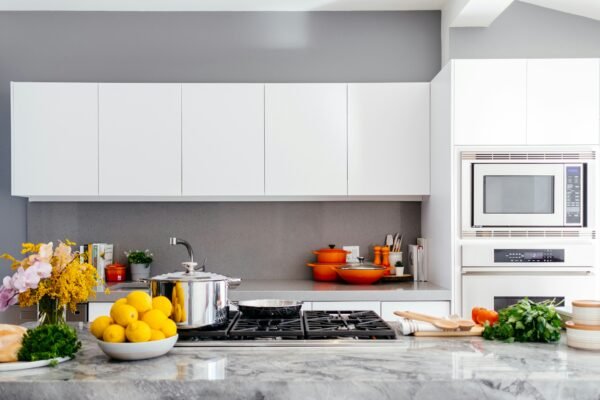
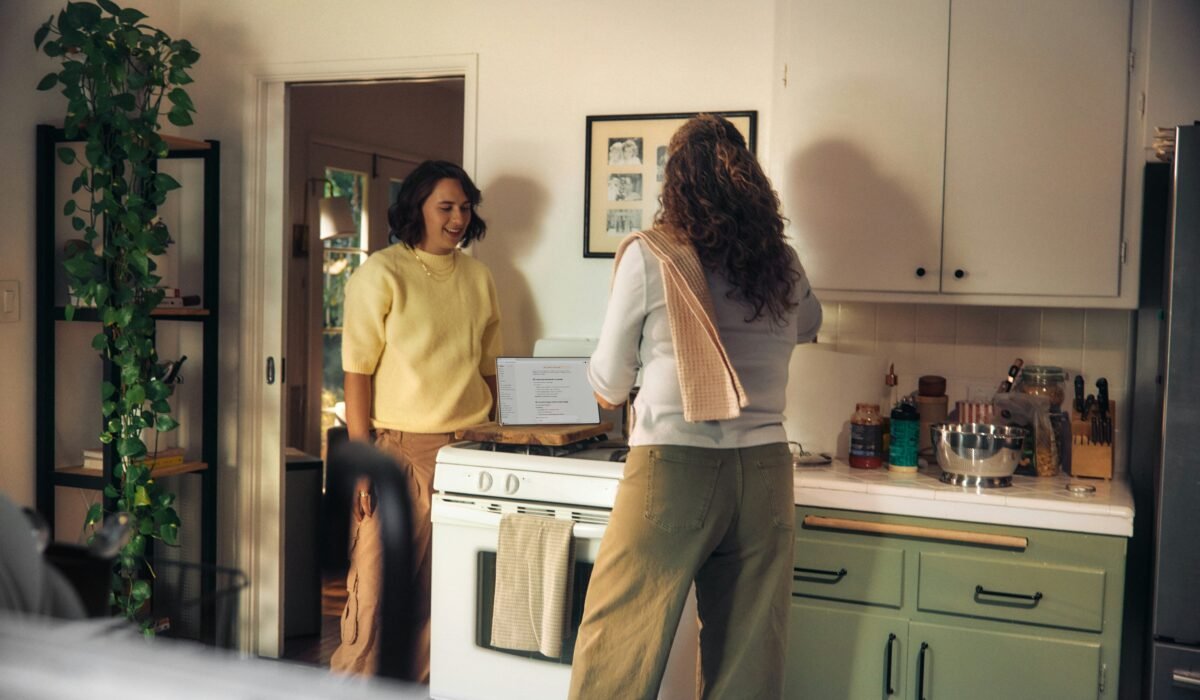
Efficiency is the main focus in the kitchen. Add a smart display to a countertop for hands-free recipe guidance while cooking. Install motion-sensing under-cabinet LED lighting to eliminate shadows on work surfaces. Use smart plugs to automate the coffee maker or kettle so a fresh brew is ready when you wake up. Magnetic wall strips for knives and utensils help clear counter space, contributing to a cleaner aesthetic.
The Bathroom
Bathrooms are often overlooked for smart upgrades, so a few well-chosen changes stand out. An LED mirror with built-in lighting provides excellent illumination for grooming. A waterproof Bluetooth speaker mounted in the shower improves daily quality of life. Consider water-saving smart showerheads and faucet aerators to reduce consumption without sacrificing pressure.
The Entryway and Security
Start with a smart video doorbell that blends with the exterior hardware. Replace the traditional lock with a keypad or fingerprint smart lock for keyless, secure entry. Add motion-activated outdoor lighting that turns on automatically when someone approaches the home. This provides security while welcoming you back in the evening.
Phase 5: Advanced Integrations and Automation
Automation is where decoradtech truly comes alive. The home learns your rhythm and moves with you, rather than requiring you to control devices individually.
Circadian Lighting Design
This represents the pinnacle of smart home decoradtech. Programming smart bulbs to follow the sun’s natural path supports the biological clock.
- Morning (5000K): Use cool blue/white light to boost cortisol and focus.
- Afternoon (4000K): Shift to natural daylight for steady productivity.
- Evening (2000K): Transition to warm amber light to trigger melatonin production and prepare the body for sleep.
Creating Smart Scenes
Set up routines that manage multiple functions at once:
- Good Morning: Lights brighten gradually, blinds open, and the coffee maker starts automatically.
- Away Mode: Using geofencing, the home knows when you leave. Doors lock, cameras activate, and the thermostat shifts to energy-saving settings without you lifting a finger.
- Goodnight: Lights turn off, doors lock, and the thermostat adjusts to the ideal sleep temperature.
Climate and Scent Integration
True luxury engages all the senses. Use smart plugs with traditional high-end diffusers, or integrated HVAC scent systems. You can program the home to smell like fresh linen during the morning routine and sandalwood during the evening wind-down.
Future-Proofing and Maintenance
Regular maintenance and smart purchasing decisions ensure the decoradtech setup lasts and remains efficient.
- Prioritize Hard-Wired over Battery: Hard-wire the tech whenever possible. Changing dozens of batteries every few months becomes a chore that quickly breeds resentment toward the smart home.
- Update Firmware: Regularly update the devices’ software to fix security gaps and unlock new features. Never skip these updates.
- Clean Devices: A quick wipe-down of sensors, cameras, and speakers every few weeks prevents performance issues caused by dust buildup.
- Audit Routines: Revisit the automations every few months to ensure they still match how you actually live. The schedule may change, and the home should adapt.
- Keep Hardware Modular: Choose devices compatible with universal standards like Matter. As technology evolves, you can upgrade individual components without needing a major overhaul of the entire system.
Conclusion
Learning how to set up my home decoradtech is fundamentally about fusing style with technology. Carefully planning the layout, selecting compatible devices, and integrating them seamlessly into the interior design creates a living environment that is highly functional and visually stunning.
Start small with smart lighting or a central hub, and build the system gradually. Focus first on the high-frequency areas that affect the most hours of the day, like sleep environments and kitchen routines. With intentional design, smart automation, and a commitment to hiding the hardware, the home becomes a modern sanctuary. It anticipates needs, reduces daily friction, and enhances everyday life without looking like an electronics store display.