Key Takeaways:
- Purpose-Driven Design: The decoradyard approach treats your backyard with the same intentionality as your home’s interior.
- Functional Zoning: Divide your yard into clear areas—such as dining, relaxation, or gardening—using natural borders like planters or subtle changes in flooring materials.
- Layered Landscaping: Combine ground covers, mid-height shrubs, and vertical elements like trellises to create depth and privacy.
- Smart Material Choices: Select durable materials like composite decking or concrete pavers to minimize long-term maintenance.
- Strategic Lighting: Use a mix of ambient, task, and accent lighting to extend the usability of your outdoor space into the evening.
- Sustainable Practices: Incorporate drought-tolerant native plants and rainwater harvesting to create a cost-effective garden.
Backyards are no longer just patches of grass for occasional barbecues. They function as vital extensions of our living spaces. As homes take on more roles, people want flexible, comfortable outdoor areas.
This brings us to the concept of backyard renovation decoradyard. It represents a shift in how we approach outdoor design. It goes beyond planting a few shrubs or pouring a concrete patio. Instead, it applies interior design principles—like flow, focal points, and cohesive color palettes—to the outdoors. The decoradyard philosophy balances aesthetics with practical usability to create spaces that feel intentional and welcoming.
Whether you have a sprawling suburban lawn or a compact urban courtyard, this guide covers the decoradyard approach to backyard renovation. It offers actionable tips, material insights, and design strategies to help you craft your ideal outdoor space.
Understanding the Decoradyard Philosophy
The decoradyard approach centers on intentionality. It encourages treating outdoor spaces as deliberate decoration projects. Landscaping and outdoor decorating merge into a single process. Hardscaping elements like patios or pathways work in harmony with softscaping, such as plants and soil. Decorative elements like furniture and lighting tie everything together.
The Five Pillars of Decoradyard Design
When adopting the decoradyard mindset, five key principles guide design decisions.
- Focal Points: Every well-designed space needs an anchor. In a backyard, this could be a striking water feature, an architectural pergola, or a mature tree. Focal points draw the eye and provide a sense of structure.
- Flow and Movement: How you move through the space matters just as much as how it looks. Pathways should guide guests naturally from the house to seating areas without obstruction.
- Layering: An outdoor space requires layered landscaping, much like layering rugs and lighting in a living room. Combining ground covers, mid-height plants, and vertical elements creates depth.
- Accent Pieces: Thoughtfully chosen accessories infuse personality into the yard. Consider oversized terra-cotta pots, outdoor mirrors, or textured cushions.
- Seasonal Adaptability: A true decoradyard evolves. It incorporates plants that offer year-round interest. Flexible decor can be swapped out as the seasons change.
Step 1: Strategic Planning and Assessment
Rushing into construction or purchasing materials without a plan is a common mistake. A successful decoradyard project begins with careful observation.
Evaluate Your Current Space
Spend time in your yard observing its natural conditions before sketching a design. Track how sunlight moves across the space throughout the day. This dictates where you place a shaded dining area versus a sun-loving vegetable garden. Assess your soil quality. Note any drainage issues. Pooling water must be addressed through grading or French drains before any aesthetic work begins.
Define Your Priorities
Understand how you actually intend to use the space. Are you looking to host large summer dinner parties? Do you need a safe play area for children? Or are you aiming to create a quiet sanctuary for reading? Defining these priorities ensures your budget goes toward features that provide the most value to your lifestyle.
Step 2: Creating Functional Zones
Zoning is an effective way to maximize both large and small backyards. Treating the yard as a single, open expanse often results in a disorganized feel. Dividing the space into distinct areas creates structure and purpose.
Essential Backyard Zones
- The Dining Zone: Position this relatively close to the house or an outdoor kitchen for convenience. This area typically requires a solid, level surface like a paved patio.
- The Relaxation Zone: This is a softer, more intimate area featuring comfortable lounge seating or a fire pit. It benefits from privacy screens or strategic planting to create a sense of enclosure.
- The Active/Play Zone: This open area features durable turf designed for games or pets.
- The Garden Zone: Dedicated areas for raised vegetable beds or a greenhouse fit here.
Defining Borders Naturally
You do not need physical walls to separate these zones. The decoradyard approach favors subtle transitions. Use a change in flooring material—such as moving from a wooden deck to a pea gravel patio—to signal a new zone. Alternatively, use low boxwood hedges or a strategically placed outdoor rug to frame different areas.
Step 3: Material Selection for Durability and Style
The materials you choose form the foundation of your backyard renovation. Outdoor spaces face exposure to the elements, so durability must be weighed against aesthetics.
Hardscaping Materials
- Composite Decking: Natural wood offers warmth, but composite decking provides a low-maintenance alternative that resists rot and fading.
- Concrete Pavers: Available in a vast array of shapes and colors, pavers are highly durable. Large-format pavers with grass joints are popular in contemporary decoradyard designs.
- Natural Stone: Materials like flagstone or travertine offer an organic aesthetic, though they often require more maintenance.
- Gravel and Crushed Stone: This is a budget-friendly option for creating casual seating areas. Pea gravel adds a rustic texture to the yard.
Weather-Resistant Furnishings
Invest in furniture built to withstand your specific climate. Powder-coated aluminum and teak are excellent choices for frames. Cushions should be covered in high-quality, UV-resistant outdoor fabrics.
Step 4: Masterful Landscaping and Planting
Plants are the lifeblood of any backyard renovation. The decoradyard philosophy emphasizes planting with purpose. It favors sustainable choices that provide maximum visual impact.
Embrace Native and Drought-Tolerant Plants
Selecting plants native to your region is a smart landscaping decision. Native species adapt naturally to your local climate. They require significantly less water and fertilizer than exotic varieties. They also support local ecosystems by attracting native pollinators like bees.
The Art of Layering
Employ the technique of layering to avoid a flat garden.
- Foreground: Use creeping ground covers to soften hardscape edges.
- Middle Ground: Plant medium-sized shrubs and colorful perennials to provide volume.
- Background: Utilize tall hedges or climbing vines on trellises to draw the eye upward and provide privacy.
Vertical Gardening for Small Spaces
Vertical gardening is essential if you are working with a compact yard. Utilize wall-mounted planters and tall trellises to bring greenery upward without sacrificing floor space. A living wall can serve as a stunning focal point while acting as a privacy screen.
Step 5: Illuminating the Space
Lighting is often an afterthought in backyard renovations. Yet, it possesses the power to completely transform the atmosphere of a space after sunset. A successful decoradyard employs a layered lighting strategy.
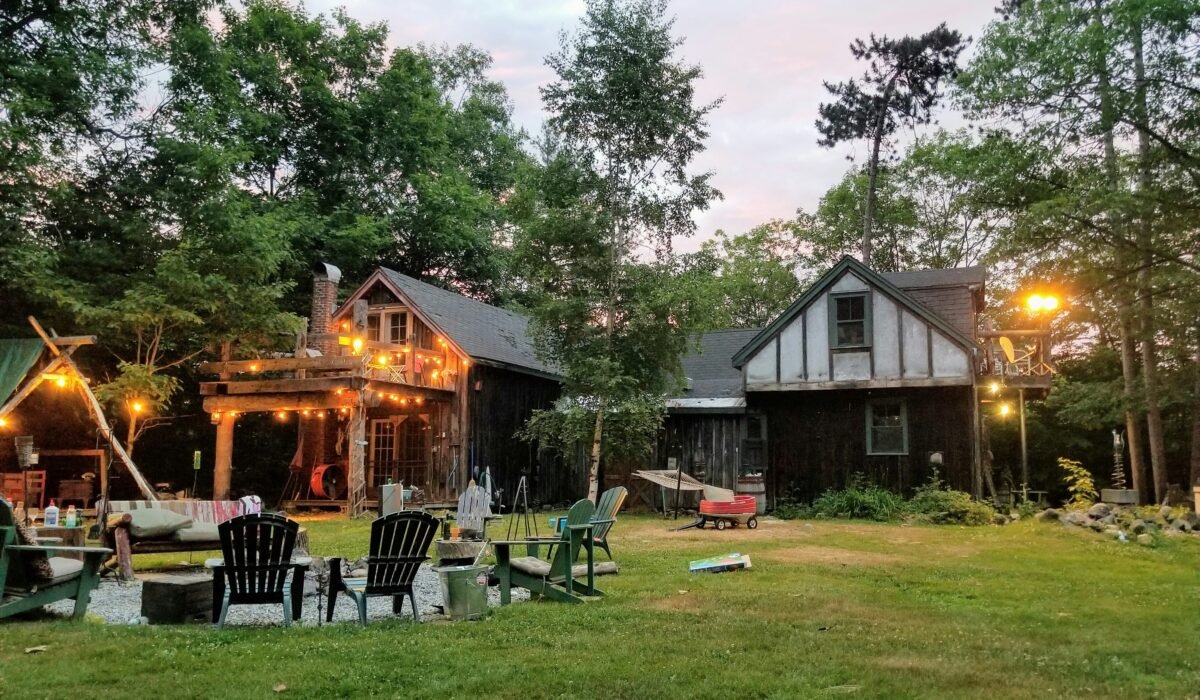
- Ambient Lighting: This provides overall illumination. String lights draped across a pergola offer a warm glow.
- Task Lighting: This is essential for safety and functionality. It includes bright, focused lighting over an outdoor grill, as well as low-level lights illuminating stair treads.
- Accent Lighting: Use this to highlight the yard’s best features. Spotlights can up-light a beautiful tree, or submersible LEDs in a water feature can create a dramatic effect.
Opt for solar-powered or low-voltage LED fixtures to keep energy consumption low.
Step 6: The Finishing Touches
The final step in a decoradyard renovation is adding decorative elements that infuse the space with your personal style. This is where the lines between indoor and outdoor design truly blur.
- Outdoor Rugs: A well-chosen outdoor rug instantly defines a seating area.
- Mirrors and Art: Hanging a weather-safe mirror on a fence can make a small garden feel twice as large by reflecting light.
- Textiles: Layer outdoor sofas with textured throw pillows for chilly evenings.
- Fire and Water: Elemental features elevate any backyard. A sleek fire pit provides a gathering space for cool nights. A small fountain introduces the soothing sound of moving water.
Overcoming Common Backyard Renovation Challenges
Homeowners frequently encounter challenges during the renovation process. Anticipating these issues allows you to address them proactively.
Dealing with Small or Awkwardly Shaped Yards
Many people believe that a small yard limits their design potential. The decoradyard approach proves otherwise. In a compact space, the key is to prioritize and simplify. Choose one primary function for the space rather than attempting to squeeze in a dining table, a lounge area, and a fire pit.
Utilize visual tricks to make the area feel larger. Laying paving stones on a diagonal can create the illusion of width. Avoid tall, dense fencing that boxes the space in. Instead, opt for horizontal slat fences that allow light to pass through. Keep the color palette light and cohesive, using cool tones like soft grays to make the boundaries of the yard recede visually.
Managing Privacy in Suburban Settings
Privacy is a major concern in densely packed suburban neighborhoods. Building a taller fence might seem like the obvious solution, but local zoning laws often restrict fence heights.
The decoradyard solution is to create privacy through strategic layering. Plant a row of fast-growing, columnar trees along the property line. Install a pergola over your primary seating area and train climbing vines to grow over it. This creates a leafy canopy that blocks the view from second-story windows next door. You can also use freestanding privacy screens to create secluded enclosures within the larger yard.
Navigating Sloped or Uneven Terrain
A heavily sloped backyard presents significant usability challenges. Water runoff can cause erosion, and the uneven ground makes it difficult to place furniture. The most comprehensive solution is to terrace the yard. Terracing involves building retaining walls to create a series of flat, stepped levels.
Terracing completely transforms a useless slope into highly functional square footage. You can designate the lowest level for a paved patio, the middle level for a flat grassy play area, and the highest level for a secluded fire pit. If terracing is outside your budget, consider building a raised wooden deck that extends out over the slope.
Sustainable and Eco-Friendly Decoradyard Practices
As environmental awareness grows, the future of backyard design focuses on sustainability. A modern decoradyard renovation should look beautiful while minimizing its ecological footprint.
Water Conservation Strategies
Traditional grass lawns require massive amounts of water and constant mowing. Consider reducing the size of your lawn or replacing it entirely with drought-tolerant alternatives. Clover or native mosses offer lush ground covers that require a fraction of the water.
If you live in an arid climate, embrace xeriscaping. This landscaping method utilizes rocks, gravel, and highly drought-resistant plants to create a striking, low-water environment. Additionally, install rain barrels connected to your home’s downspouts to capture rainwater.
Eco-Friendly Material Choices
Look for sustainable options when selecting materials for your renovation. Choose composite decking made from recycled plastics rather than virgin timber. If you prefer natural wood, ensure it is certified by the Forest Stewardship Council (FSC).
Consider permeable paving solutions for pathways and patios. Unlike solid concrete slabs, which contribute to storm-water runoff, permeable pavers allow rainwater to seep through the joints and naturally filter back into the groundwater supply.
By integrating these sustainable practices, your backyard renovation decoradyard project will elevate your lifestyle while respecting the natural environment.