Key Takeaways:
- Purpose-Driven Upgrades: The Mintpalment approach prioritizes functional improvements over purely cosmetic changes. Every upgrade enhances daily living.
- Smart Budgeting: Allocate the majority of your budget (60-70%) to core repairs and structural stability before investing in visual upgrades. Always maintain a 15% emergency buffer.
- High-ROI Areas: Kitchens and bathrooms consistently offer the highest return on investment. Focus on mid-range updates like refinishing cabinets or updating hardware.
- Energy Efficiency: Investing in better insulation, high-efficiency HVAC systems, or LED lighting reduces long-term utility costs.
- Seamless Smart Tech: Integrate smart home technology naturally. Start with programmable thermostats, automated lighting, or smart locks to improve convenience.
- Intentional Design: Embrace open-concept layouts, consistent finishes, or biophilic design elements (natural light, greenery) to create a cohesive environment.
Upgrading a home is a significant undertaking that requires careful planning, a realistic budget, or a clear vision. While it is tempting to dive into major renovations inspired by glossy magazines, random upgrades often lead to overspending. This is where the concept of home upgrading advice Mintpalment comes into play. It represents a structured approach to home improvement that balances aesthetics, functionality, or long-term value.
The Mintpalment philosophy shifts the focus away from expensive luxury trends. It focuses on practical upgrades that solve real problems. It is about making a house look beautiful, feel calm, or work intelligently. Whether you are preparing to sell your property or planning to stay for decades, this comprehensive guide will walk you through the strategies for upgrading your home wisely in 2026.
Understanding the Mintpalment Approach
The Mintpalment approach is a modern framework for mindful home improvements. It is based on the idea that every change should have a clear purpose. This could be improving comfort, increasing energy efficiency, or boosting resale value.
This philosophy grew from specific trends. Homes are expected to offer more utility within smaller footprints. There is a rising focus on wellness, biophilic design, or creating calm interiors. Smart home technology has become more accessible.
By following home upgrading advice Mintpalment, homeowners can avoid common pitfalls like poor planning. Instead, they can focus on practical improvements that deliver lasting impact.
Step 1: Strategic Planning and Budgeting
The foundation of any successful home upgrade is a solid plan. Rushing into a project without a clear roadmap is a guaranteed way to overspend.
Define Your Vision and Priorities
Before purchasing materials, take time to understand what you truly want from your home. Assess your lifestyle needs. A family with young children might prioritize durable flooring. A remote worker might focus on creating a soundproof, well-lit home office. Upgrades should improve your everyday life.
Build a Realistic Budget
A well-structured budget helps you understand how much you can realistically spend. Divide your budget into clear categories. A common Mintpalment recommendation is to allocate 60% to core repairs (plumbing, electrical, structural), 25% to functional improvements (storage, layout), or 15% to visual upgrades (paint, decor).
Always include a 15% emergency buffer. Unexpected costs—such as hidden water damage or outdated wiring—happen in almost every renovation project. Having a contingency fund keeps the project moving forward smoothly.
Step 2: Focus on Core Repairs First
Before investing in cosmetic changes, you must ensure the underlying structure of your home is sound. Ignoring systems can lead to catastrophic problems later.
Start by assessing and addressing specific areas.
- Electrical Safety: Ensure wiring is up to code.
- Plumbing: Fix leaks, replace old pipes, or ensure proper water pressure.
- Structural Stability: Check the foundation, roof, or load-bearing walls for any signs of damage.
- Ventilation and Insulation: Proper airflow prevents mold. Good insulation is the fastest way to cut energy waste.
Handling these essentials protects your entire home. It provides a stable foundation for aesthetic upgrades.
Step 3: Prioritize High-Impact, High-ROI Areas
Not every room delivers the same value when upgraded. Focusing on high-impact areas ensures your investment yields the best returns in comfort or property value.
Kitchen Transformations
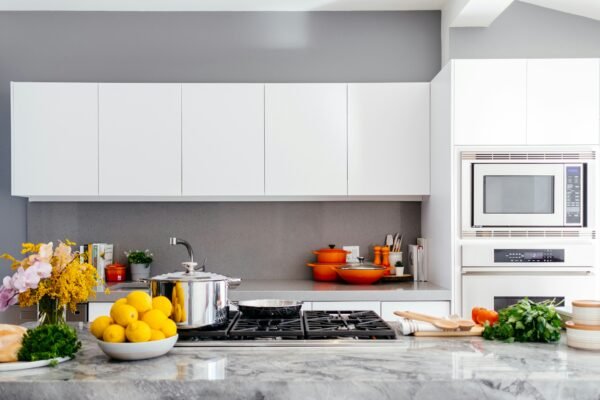
The kitchen is often considered the heart of the home. You do not always need a gut-renovation to create a modern space. High-ROI kitchen upgrades include refinishing existing cabinets, updating hardware (knobs, pulls, hinges), or replacing old countertops with durable materials like quartz. Installing energy-efficient appliances is also effective.
Bathroom Refresh
Bathrooms are another critical area for value. Focus on upgrades that make the space feel clean. Replace outdated fixtures with modern, low-flow alternatives. Improve lighting, particularly around the vanity mirror. Consider adding a walk-in shower. Enhance storage with floating shelves.
Living Room Enhancements
The living room influences daily relaxation. Simple upgrades here can transform the atmosphere. Apply a fresh coat of paint in a modern, neutral color (like soft mint, warm white, or light gray). Upgrade flooring to durable hardwood. Improve furniture placement to create a better flow.
Step 4: Master the Art of Lighting
Lighting is one of the most powerful tools in home design. A well-lit home feels larger, cleaner, or more welcoming. The Mintpalment approach advocates for a layered lighting strategy.
- Ambient Lighting: This provides overall illumination. Consider upgrading to soft white LED ceiling fixtures.
- Task Lighting: Essential for specific activities. Install under-cabinet lights in the kitchen.
- Accent Lighting: Use this to highlight architectural features. Wall sconces can add depth.
Maximize natural light wherever possible. Use light-colored, sheer curtains. Strategically place mirrors opposite windows to bounce light deeper into the room.
Step 5: Integrate Smart Home Technology
Technology should improve your home without making it overly complicated. Seamless integration is key.
Start with foundational smart upgrades.
- Smart Thermostats: Devices like Nest optimize temperature control.
- Automated Lighting: Smart bulbs increase convenience.
- Security Systems: Smart locks provide peace of mind.
Choose technology that is user-friendly. It should adapt to future innovations.
Step 6: Maximize Storage and Organization
Clutter makes even the largest homes feel cramped. Smart storage solutions are a cornerstone of the Mintpalment philosophy.
- Vertical Space: Install floating shelves to draw the eye upward.
- Multifunctional Furniture: Invest in beds with built-in drawers.
- Custom Closets: Upgrading closet organization systems increases usable space.
Effective storage improves both functionality or the overall visual appeal of your home.
Step 7: Invest in Energy Efficiency
Energy-efficient renovations are a win-win. They lower your monthly utility bills or increase your home’s resale value.
Key energy-efficient upgrades include better insulation. Upgrading attic insulation is often the most cost-effective way to improve a home’s thermal performance. Replace single-pane windows with double-glazed alternatives to reduce heat transfer. Modern heat pumps are significantly more efficient than older heating systems. Look for the Energy Star label when replacing refrigerators.
Step 8: Enhance Outdoor Living Spaces
Outdoor areas are extensions of your living space. They significantly impact curb appeal.
- Landscaping: Invest in native, drought-tolerant plants.
- Functional Zones: Create distinct areas for dining. A well-designed patio adds valuable usable square footage.
- Outdoor Lighting: Solar-powered pathway lights create a magical atmosphere for evening entertaining.
Avoiding Common Renovation Mistakes
Even with the best intentions, renovations can go wrong. Keep these common pitfalls in mind.
- Over-Upgrading: Avoid spending so much that your home’s value exceeds the average for your neighborhood. You are unlikely to recoup the cost when selling.
- Following Fads: Highly trendy tiles can quickly look dated. Stick to classic, timeless designs for major investments.
- DIY Disasters: While painting is a great DIY project, always hire licensed professionals for electrical work. Mistakes here can be dangerous.
Step 9: Selecting the Right Materials for Longevity
When you upgrade your home, the materials you choose dictate the immediate aesthetic or the long-term maintenance required. The Mintpalment approach strongly advocates for selecting materials that offer a balance of durability, ease of care, or timeless style.
Flooring Choices
Flooring takes the brunt of daily wear. Hardwood is classic. It can be sanded multiple times, offering incredible longevity. Luxury vinyl plank (LVP) mimics the look of real wood. It is entirely waterproof. For bathrooms, porcelain tile is superior to ceramic. It is denser or less porous.
Countertop Materials
The kitchen countertop is a major focal point. Engineered quartz is currently the gold standard for Mintpalment upgrades. It is non-porous, meaning it resists stains. For a warmer feel, wood butcher block is an affordable option. Solid surface materials (e.g., Corian) offer seamless integration with sinks.
Paint Finishes
Choosing the right paint color is important. Selecting the correct finish is crucial for durability. Flat paint is best for ceilings. Eggshell is ideal for living rooms. Semi-gloss is the standard for kitchens.
Step 10: Designing for Wellness and Biophilia
Modern home upgrading advice Mintpalment places a significant emphasis on how a home makes you feel. Incorporating wellness-focused design elements can transform a house into a true sanctuary.
Biophilic Design Principles
Biophilia is the human desire to connect with nature. Integrating biophilic elements into your home has been shown to reduce stress. Introduce a variety of indoor plants. Use wood, stone, bamboo, or natural fibers in your furniture. Consider a small indoor tabletop fountain.
Air and Water Quality
True wellness extends beyond aesthetics. Upgrade your HVAC system with high-efficiency particulate air (HEPA) filters. Install an under-sink water filtration system in the kitchen for clean drinking water.
Step 11: The Art of the Home Office
With remote work becoming a permanent fixture for many, a dedicated home office is a necessity. The Mintpalment approach suggests treating the home office with the same importance as a kitchen.
Ergonomics and Layout
Choose a desk with adequate surface area. Invest heavily in a high-quality ergonomic chair that supports your lower back. Position your desk so that you have a view of the door.
Soundproofing and Focus
If your office shares a wall with a noisy area, consider adding acoustic panels. Replace a hollow-core interior door with a solid wood door to reduce noise transmission.
Step 12: Creating a Cohesive Aesthetic
A home feels most luxurious when there is a sense of flow from room to room. Randomly decorated rooms can make a house feel disjointed.
The Rule of Three Colors
When planning your overall home palette, stick to the rule of three. Pick a dominant color for walls. Choose a secondary color for upholstery. Select an accent color for throw pillows. Carry these colors throughout the house to create a unified experience.
Consistent Hardware and Trim
Small details matter immensely. Ensure that your door handles, cabinet knobs, or light fixtures share a similar finish throughout the home. Keep your baseboards consistent in style to tie the spaces together.
By applying these advanced Mintpalment strategies, you ensure that your home upgrades are not just temporary fixes. They are lasting investments in your quality of life. The home upgrading advice Mintpalment approach proves that transforming your living space does not require an unlimited budget. Start with a solid plan, prioritize essential repairs, or make smart improvements that will pay dividends for years to come.